
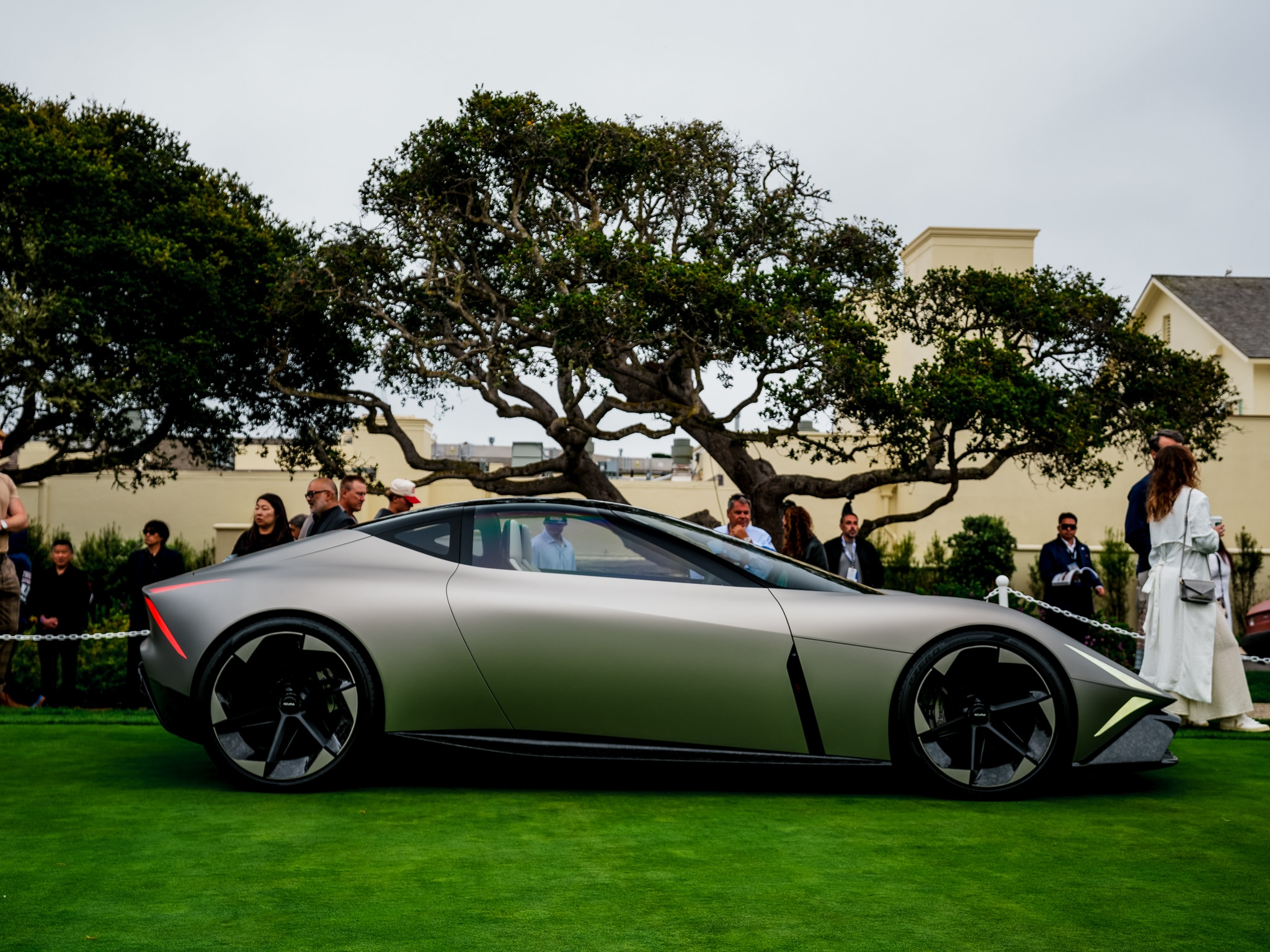
The Acura NEXERA Vision gives us an exciting early look at where Acura design, technology, and performance could be headed next. At Acura of Seattle, part of the O'Brien Auto Group, we see this Acura concept car as more than a dramatic showpiece. It is a focused statement about the brand’s driver-first future and a preview of details Acura fans may eventually recognize in future production vehicles.
Key Takeaways
- The Acura NEXERA Vision introduces a cleaner, more sculpted Acura design language.
- Phantom lighting and an integrated cockpit suggest a more seamless approach to Acura technology.
- Active aerodynamic elements and a low, performance-focused stance reinforce Acura’s commitment to driving excitement.
- Production models will likely adapt the concept’s ideas in practical ways rather than duplicate every show-car detail.
- The current Acura Integra, ADX, RDX, and MDX provide a useful starting point for understanding where the brand is today.
What Does the NEXERA Vision Say About Acura Design?
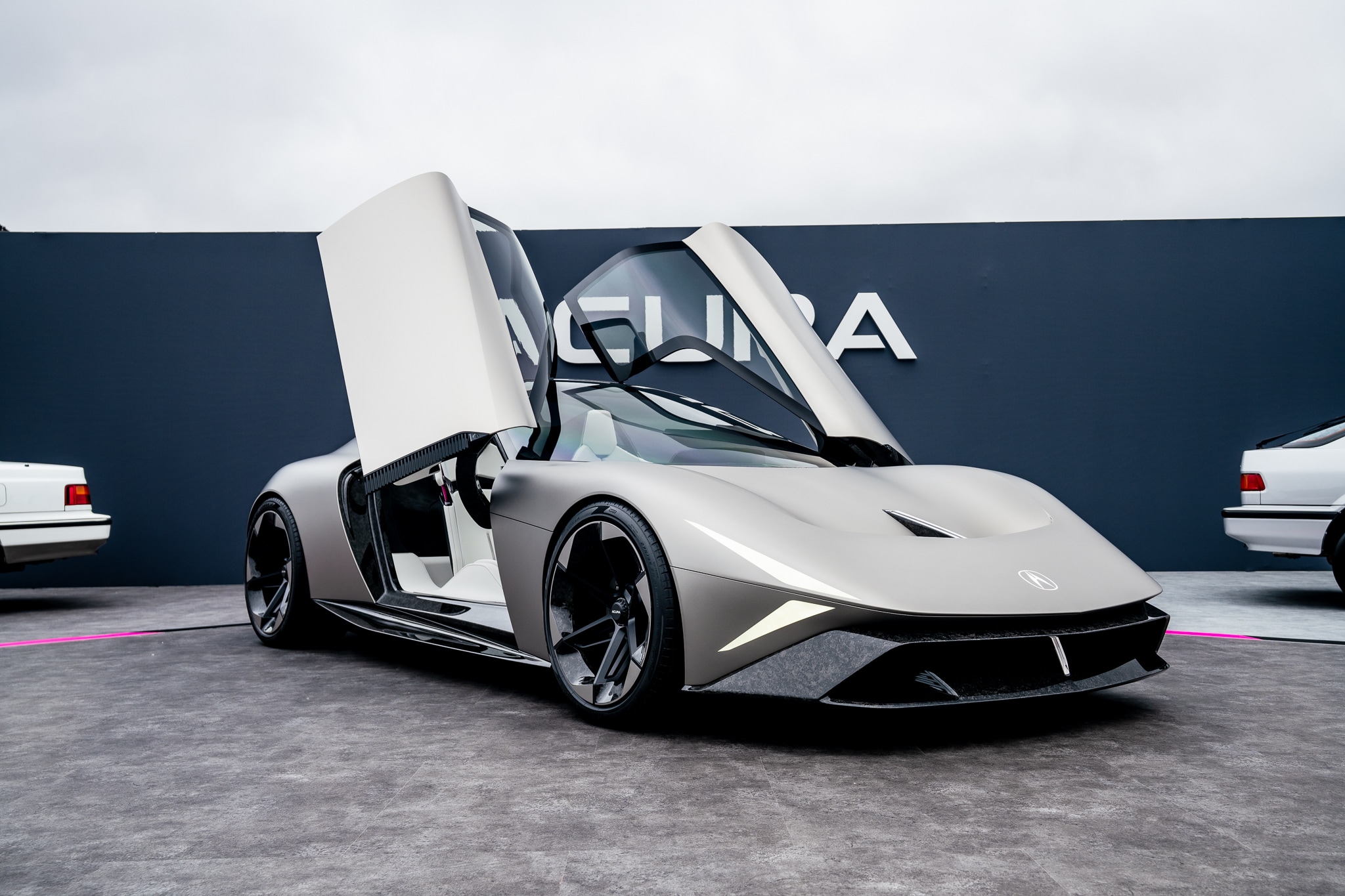
The first message is clear: Acura is leaning into more disciplined proportions, smoother body surfaces, and a stronger visual connection between style and performance. The Acura NEXERA Vision is a low, two-seat concept with a sleek profile, sculpted bodywork, forged-carbon accents, a prominent rear diffuser, and an active rear spoiler. Its dual-hinge butterfly doors create the kind of drama expected from a concept car, but the overall shape is purposeful rather than overly busy.
One of its most distinctive features is what Acura calls phantom lighting. Rather than using clearly visible headlamp and taillamp housings, the lighting appears to glow through the bodywork and visually disappear when switched off. It creates a cleaner exterior appearance while showing how lighting can become part of a vehicle’s identity, not just a functional requirement.
For Seattle-area drivers, that future direction could mean Acura models with more confident road presence while retaining the usability expected from a premium sedan or SUV. The Integra already balances athletic proportions with everyday hatchback flexibility. The ADX brings Acura styling into a compact SUV format, while the RDX and three-row MDX demonstrate how the brand translates sport-focused design into family-ready utility. The NEXERA Vision suggests those vehicles may become even more sculpted, minimal, and technically integrated over time.
How Does It Reflect Acura Technology Direction?
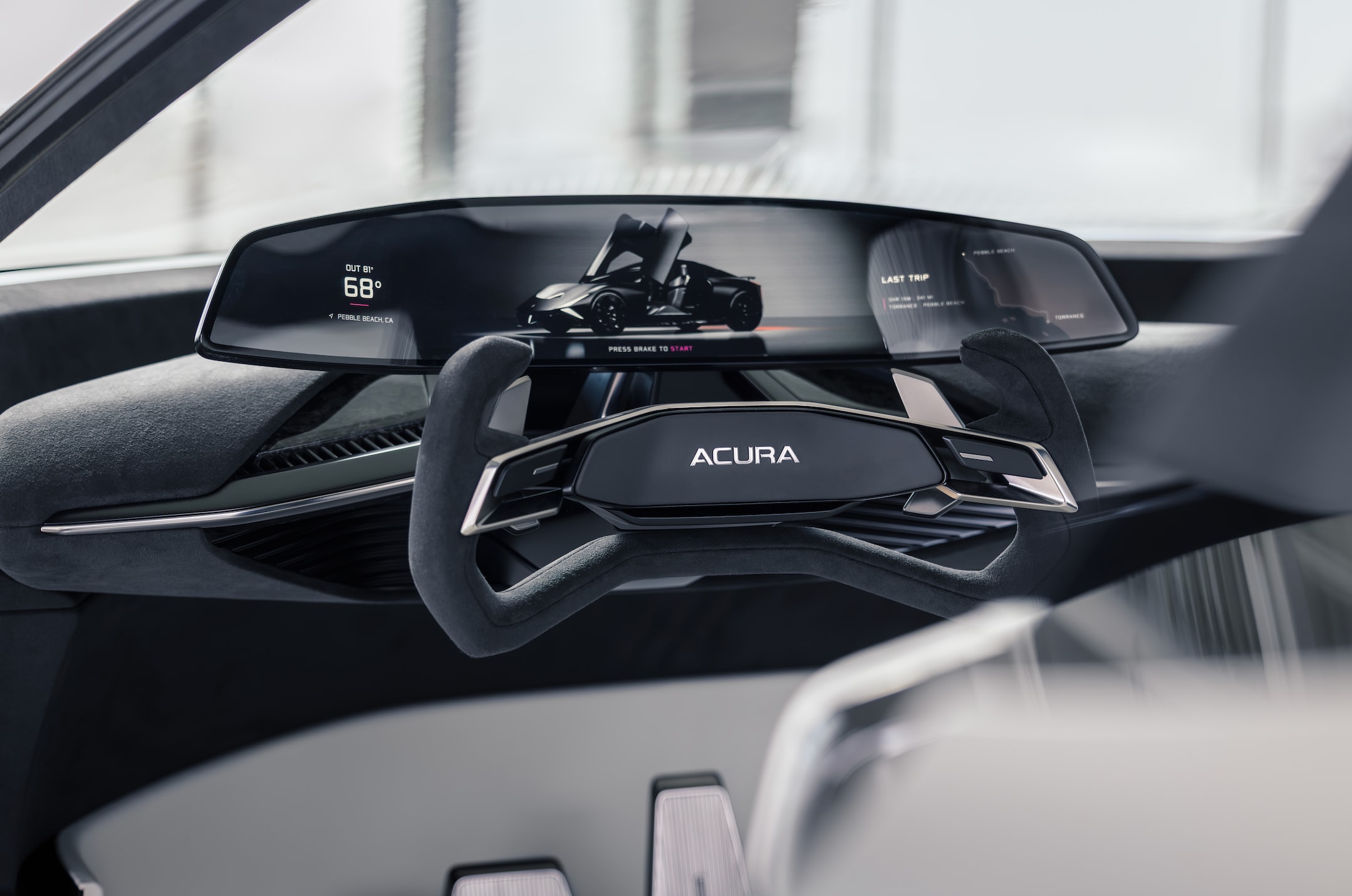
The NEXERA Vision also reveals that Acura wants advanced technology to feel integrated instead of added on. Its driver-focused cockpit combines forged carbon with reclaimed suede and CircuLeather, illustrating a possible future where performance materials, premium craftsmanship, and sustainability share the same space.
That approach fits Acura’s broader focus on a high-performance, driver-centered experience as the brand moves further into an electrified era. Technology is not being presented as a screen-heavy distraction. Instead, the concept treats it as part of the vehicle’s architecture, from the lighting signature outside to the tailored cabin inside.
For shoppers comparing new Acura vehicles in Seattle, that is an important distinction. The current lineup already includes safety and driver-assist features designed to support greater confidence on busy Puget Sound commutes, wet Pacific Northwest roads, and long weekend drives beyond the city. In future Acura models, look for that same practical focus to meet a more refined interface, more immersive cabin design, and cleaner exterior integration.
The concept should not be viewed as a complete production technology roadmap. Acura has not promised that every material, lighting treatment, or cockpit detail will reach the showroom unchanged. Still, it offers a valuable clue: future Acura technology is likely to support the drive while reducing visual clutter.
What Clues Point to Acura Performance?
Performance is central to the Acura NEXERA Vision. Its low stance, pronounced aerodynamic surfaces, active rear spoiler, and center-lock wheels all communicate a vehicle designed around motion and driver engagement. Acura describes the concept as a vision for future performance design, and its proportions show the brand still values an emotional connection between driver and machine.
That matters because Acura performance has always taken several forms. The Integra, especially the performance-oriented Type S, represents the enthusiast side of the lineup. The RDX adds responsive turbocharged crossover performance for drivers who need versatility. The MDX Type S offers a more powerful three-row SUV experience, proving that family space does not have to mean a disconnected driving feel.
The NEXERA Vision indicates that this performance philosophy may continue across different body styles and powertrains. A future Acura performance vehicle does not necessarily need to look like a traditional gasoline-powered sports coupe. Acura’s public messaging emphasizes innovation and electrification alongside driver-focused character, leaving room for future vehicles that blend instant response, efficient power delivery, and engaging design.
At the same time, it is important to separate what is confirmed from what is speculative. The NEXERA Vision is a concept vehicle, not an announced production model or a guarantee of a specific drivetrain. Its strongest near-term value is as a design and philosophy preview, not as a final specification sheet.
How Might It Influence Future Acura Models?
Acura has indicated that the NEXERA Vision’s design direction will influence future models, with reports pointing to the next-generation RDX Hybrid as an early production application. That does not mean a future RDX will receive butterfly doors or center-lock wheels. It does suggest that production SUVs may adopt cleaner surfacing, new lighting signatures, more athletic proportions, and details inspired by the concept’s seamless design approach.
For drivers looking at AWD vehicles in the Pacific Northwest, this is encouraging news. Acura’s future design language can evolve while keeping the qualities Seattle shoppers value, including confident utility, premium comfort, modern safety technology, and all-weather capability. The next chapter should build on what makes the current ADX, RDX, and MDX relevant while giving the lineup a more distinctive visual identity.
If you are considering an Acura now, we recommend browsing our current selection and comparing available models in person. A test drive can help clarify whether the versatile RDX, family-friendly MDX, city-ready ADX, or engaging Integra best fits your daily routine, commute, and weekend plans around Seattle.
What Should Acura Fans Watch For?
The most realistic concept-to-production changes usually come in layers. First, watch for exterior cues such as slimmer lighting, smoother body panels, more aerodynamic wheel designs, and sharper proportions. Next, look for interiors that use premium materials in fresh ways while keeping controls centered on the driver. Finally, pay attention to how Acura blends electrification with the responsive, engaging character that defines its performance future.
The NEXERA Vision may be bold, but its importance is practical. It gives Acura fans a clearer picture of how future vehicles could look and feel without losing the brand’s Precision Crafted Performance identity. Whether you are drawn to the current Integra, exploring premium compact SUVs like the ADX, or need the spacious capability of the MDX, Acura of Seattle and the O'Brien Auto Group invite you to browse available Acura models on our lot, visit us in Seattle, and schedule a test drive to experience the Acura lineup today while watching its future take shape.
*Penned by AI, polished by humans
Categories:
New Inventory
