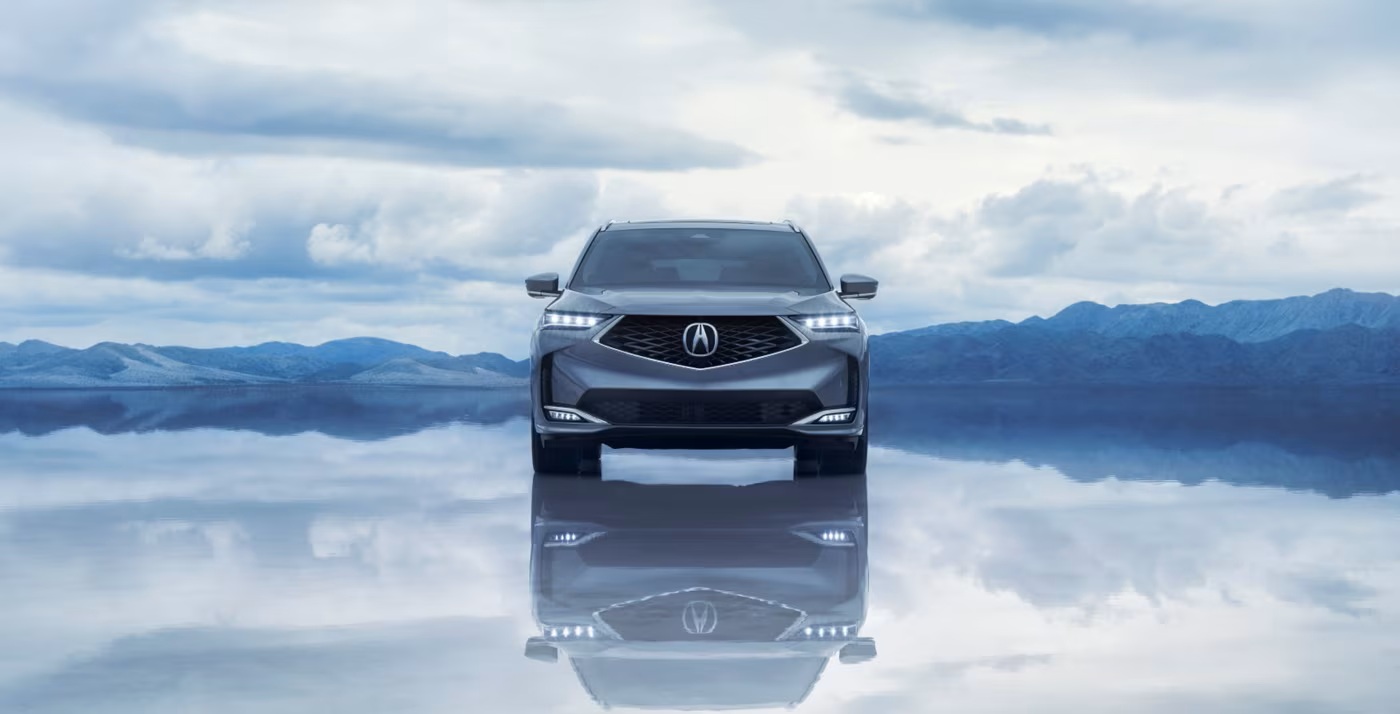
For Seattle-area families comparing premium SUVs, safety technology often sits at the top of the decision list. At Acura of Seattle, part of O'Brien Auto Group, we help shoppers look beyond feature lists to understand how the Acura MDX and Lexus RX safety systems support real daily driving, from busy I-5 traffic to school drop-offs and rainy commutes.
Key Takeaways
- The Acura MDX includes a broad AcuraWatch driver-assistance suite designed to support awareness and help mitigate certain collisions.
- The Lexus RX includes Lexus Safety System+ 3.0, with core collision, lane, cruise-control, sign-recognition, and high-beam assistance technologies.
- Both luxury SUVs offer important driver-assist features, but the three-row MDX brings a family-oriented layout and standard blind-spot information to the comparison.
- Shoppers should compare standard versus available parking, camera, rear-braking, and traffic-assistance features by trim level.
- Safety ratings and driver-assist technology are valuable research tools, but attentive driving remains essential.
How do the Acura MDX and Lexus RX safety systems compare?
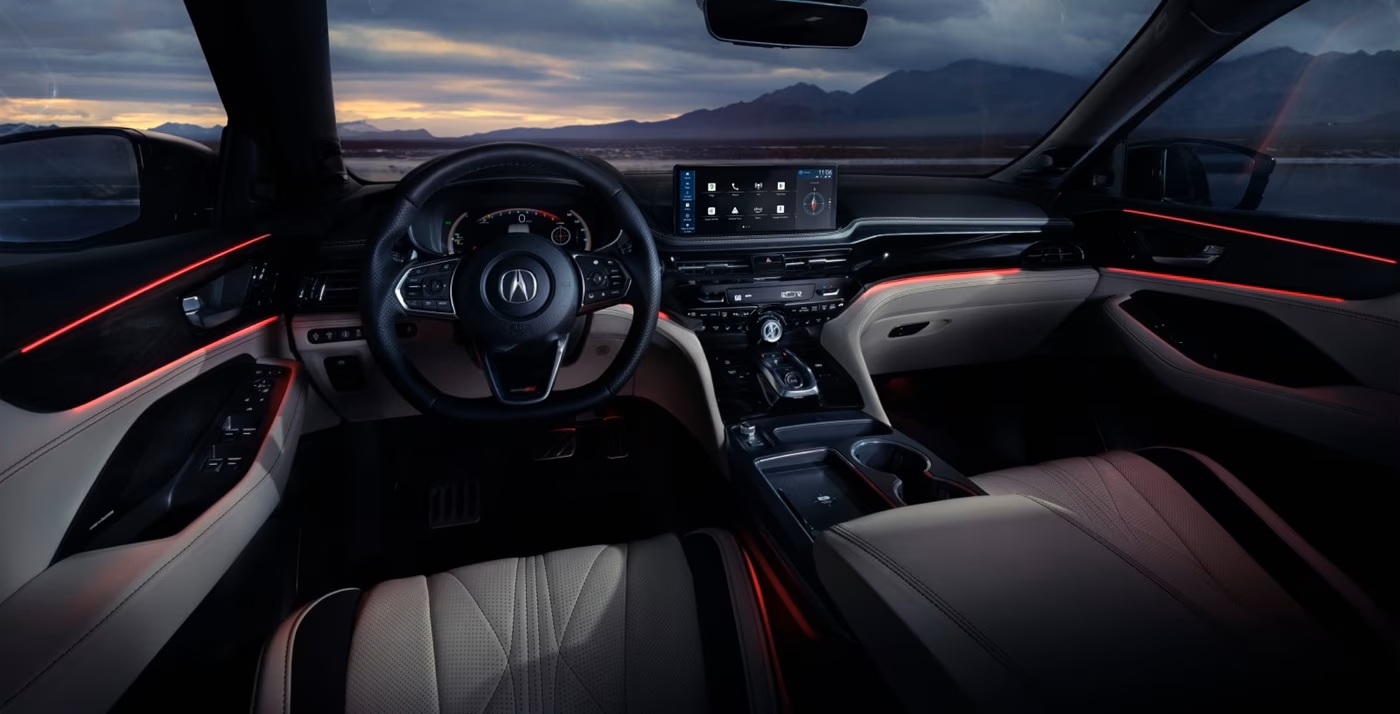
The Acura MDX vs Lexus RX safety systems comparison starts with a shared goal: helping drivers better recognize hazards and providing support in selected situations. Neither SUV is self-driving, and no safety suite can replace a focused driver, but both place meaningful active-safety technology within reach of luxury SUV shoppers.
The Acura MDX is equipped with AcuraWatch, a collection of driver-assistance features intended to enhance awareness, issue warnings, and help in certain collision-risk situations. Key MDX technologies include Collision Mitigation Braking System, Road Departure Mitigation, Adaptive Cruise Control with Low-Speed Follow, Lane Keeping Assist System, Traffic Sign Recognition, Traffic Jam Assist, Pedestrian Detection, and a Blind Spot Information System.
The Lexus RX uses Lexus Safety System+ 3.0. Its core suite includes a Pre-Collision System with Pedestrian Detection, Dynamic Radar Cruise Control with Curve Speed Management, Lane Tracing Assist, Lane Departure Alert with Steering Assist, Road Sign Assist, Proactive Driving Assist, and Automatic High Beams.
In practical terms, both systems address similar situations: a vehicle slowing ahead, lane-position support, highway following distance, pedestrians ahead, and road-sign information. The difference for many families is how the SUV itself fits their needs. The MDX provides three rows of seating, while the RX is generally configured as a two-row luxury SUV, making the Acura especially compelling for drivers who routinely carry more people.
What AcuraWatch safety features come with the MDX?
AcuraWatch is central to the Acura MDX safety features shoppers should evaluate. The system is designed to help the driver stay more aware of the traffic environment, with features that can alert the driver and, in certain conditions, provide braking or steering support.
Collision Mitigation Braking System can warn the driver of a potential frontal collision and can apply brake pressure to help avoid or reduce the severity of an impact. Pedestrian Detection works as part of the forward-looking safety capability to help identify pedestrians in certain circumstances.
Road Departure Mitigation can alert the driver when the MDX may be leaving a detected roadway and can provide assistance designed to help keep the vehicle on the roadway. Lane Keeping Assist System can provide steering input to help the driver remain centered in a detected lane.
For Seattle drivers who spend time in stop-and-go traffic, Adaptive Cruise Control with Low-Speed Follow can help maintain a selected following interval behind detected vehicles. Traffic Jam Assist can add low-speed steering support under appropriate conditions. These tools can be helpful on congested commutes between Seattle and Bellevue, but they still require the driver’s hands, eyes, and attention.
The MDX also includes Traffic Sign Recognition, which can display certain detected road-sign information, and a standard Blind Spot Information System to support lane-change awareness. Depending on the MDX package, shoppers may also find features such as a surround-view camera system, parking sensors, rear cross-traffic monitoring, and low-speed braking support.
How does AcuraWatch compare with Lexus Safety System+?
When comparing AcuraWatch with Lexus Safety System+, it is useful to focus on feature purpose rather than simply counting technology names. Both suites provide forward-collision assistance, pedestrian detection capability, adaptive cruise-control functions, lane-related support, sign recognition, and automatic high-beam functionality or similar lighting assistance.
Lexus Safety System+ 3.0 adds features such as Proactive Driving Assist, which can provide gentle braking and steering support in selected driving situations, and Dynamic Radar Cruise Control with Curve Speed Management. Lane Tracing Assist is designed to help support lane centering on certain roads, while Lane Departure Alert with Steering Assist addresses unintended drifting from the lane.
The Acura MDX answers with a well-rounded set of standard AcuraWatch features and an especially useful combination for Pacific Northwest commuting: Collision Mitigation Braking System, Adaptive Cruise Control with Low-Speed Follow, Traffic Jam Assist, Road Departure Mitigation, and Lane Keeping Assist System. For families shopping for AWD vehicles in the Pacific Northwest, it is equally important to remember that all-wheel drive can support traction, but it does not replace safe speed, appropriate tires, or adequate following distance on wet Seattle-area roads.
Our recommendation is to compare the exact trim levels side by side. A camera system, parking aid, rear automatic braking function, or advanced traffic feature may be standard on one version and available on another. That detail matters more than a broad claim that one vehicle has “more” safety technology.
How do MDX and RX safety ratings compare?
Independent crash-test information is another important part of a luxury SUV safety comparison. The Insurance Institute for Highway Safety lists the 2026 Acura MDX with Good ratings in the driver-side small-overlap front test and updated side test, along with an Acceptable rating in the updated moderate-overlap front test. The organization also identifies standard blind-spot detection and standard lane-departure warning and prevention on the MDX.
For the 2026 Lexus RX, the IIHS notes that its ratings apply to 2023 through 2026 models and identifies standard Lexus Safety System+ 3.0 Pre-Collision System with Pedestrian Detection. Ratings can vary by model year, drivetrain, equipment, test category, and evolving test protocols, so shoppers should check the specific vehicle year they are considering.
Safety ratings should inform, not replace, a personal evaluation. Families should look at seating position, visibility, child-seat installation, rear-door access, cargo needs, and which active systems are easiest for them to understand and use. At Acura of Seattle, we know a technology demonstration can be just as valuable as a specification sheet when you are comparing vehicles for everyday family life.
What should Seattle families compare before choosing?
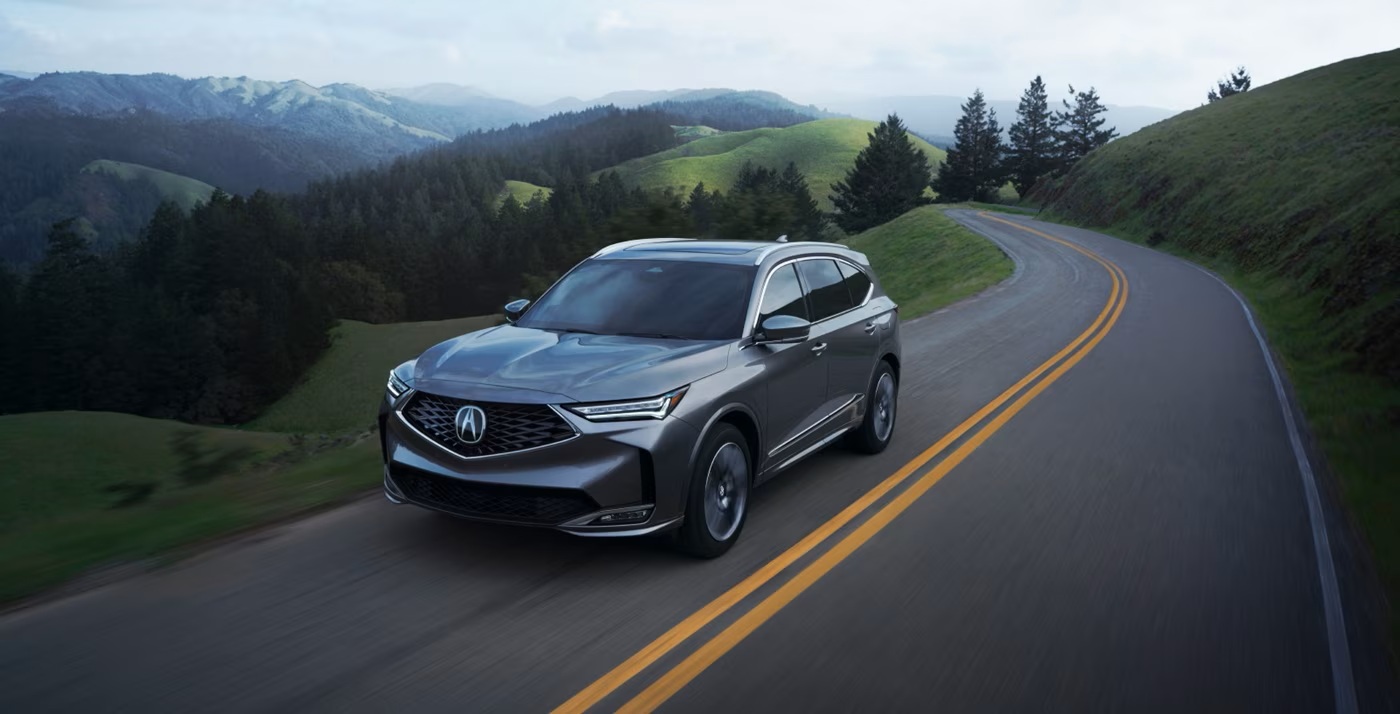
Start with the safety technologies you will use most often. For many drivers, that means forward collision support, blind-spot monitoring, adaptive cruise control, lane-assistance functions, and rearward visibility. Then consider the vehicle’s size and seating needs. The MDX has three rows, which can make a meaningful difference for larger households, carpools, and family travel around Renton or beyond.
If you are researching Acura MDX safety features and available luxury SUVs in Seattle, browse our current selection or schedule a test drive to experience the technology firsthand. Acura of Seattle, part of O'Brien Auto Group, is here to help you compare available MDX models, review safety equipment by package, and find a family-ready Acura that feels right for your daily drive. Visit us today.
*Penned by AI, polished by humans
Categories:
Acura of Seattle
