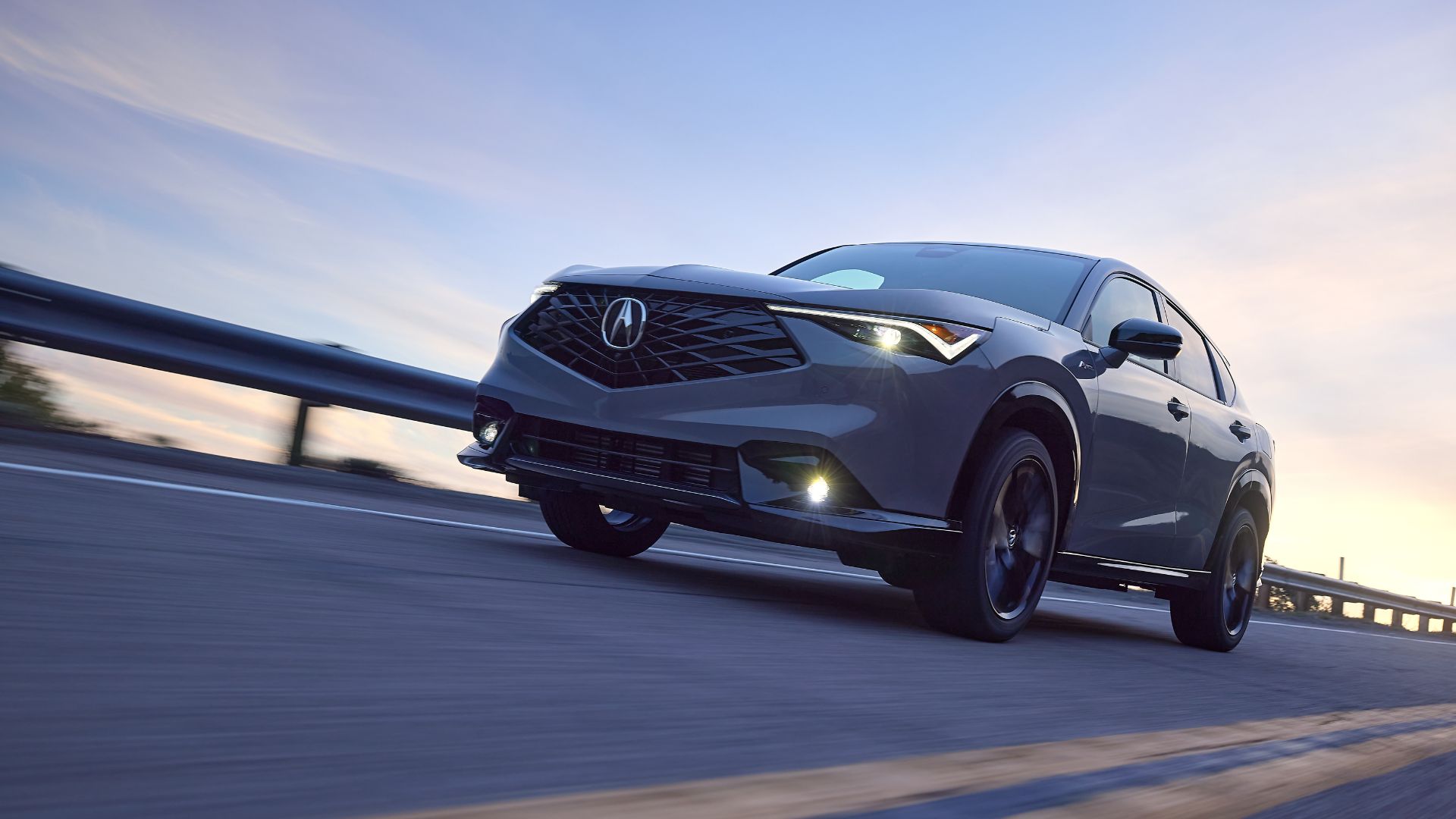
As autumn settles into the Pacific Northwest, shorter days, steady rain, wet pavement, and early-evening traffic can all change the way Seattle drivers approach their daily routes. Acura vehicles are engineered to help drivers navigate changing road conditions with greater confidence through advanced safety and driver-assist technologies. At Acura of Seattle, part of the O'Brien Auto Group, we know that confident fall driving starts with attentive habits and a vehicle equipped with technology designed to support awareness when conditions become more demanding.
Key Takeaways
- AcuraWatch driver-assistive technology can help support awareness of traffic, lane position, pedestrians, and potential hazards.
- Features such as Collision Mitigation Braking System, Lane Keeping Assist System, and Road Departure Mitigation can be especially relevant during dark and rainy Seattle fall drives.
- Blind Spot Information, Rear Cross Traffic Monitor, and available camera technology can add helpful awareness when visibility is limited.
- Acura safety technology is designed to assist an alert driver, not replace safe driving practices or attention behind the wheel.
- Seattle shoppers can explore Acura SUVs and sedans such as the MDX, RDX, Integra, ADX, and ZDX for technology that supports changing fall conditions.
What Acura safety features can help during darker fall drives?
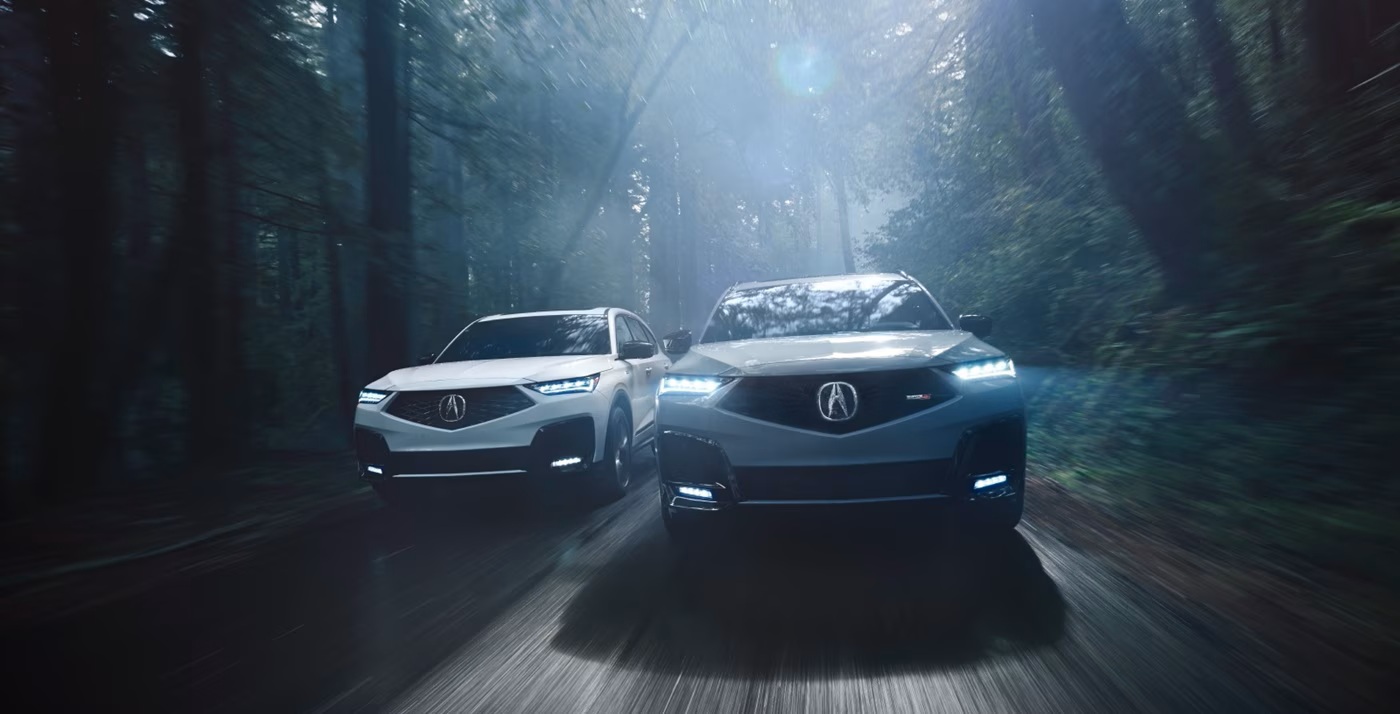
The right technology does not eliminate the challenges of fall weather, but it can provide another layer of awareness when daylight fades early. Acura safety features for fall driving are designed to help drivers recognize changing traffic conditions, stay aware of their surroundings, and respond more confidently to potential hazards.
AcuraWatch driver-assistive technology is central to that approach. Depending on the model and package, this suite can include systems such as Collision Mitigation Braking System, Forward Collision Warning, Road Departure Mitigation, Lane Keeping Assist System, Adaptive Cruise Control with Low-Speed Follow, Traffic Sign Recognition, and pedestrian detection capabilities.
For example, Collision Mitigation Braking System can alert the driver if it detects a potential frontal collision and may apply braking when necessary to help reduce impact severity or possibly avoid a collision. That added awareness can be valuable on a dim, rain-slick Seattle street when traffic slows unexpectedly.
Road Departure Mitigation and Lane Keeping Assist System can also be useful during nighttime drives, particularly when lane lines are harder to see in glare, rain, or low light. These systems are intended to help detect unintentional drifting and may provide alerts, steering assistance, or braking support in certain situations. The driver remains responsible for steering, braking, and monitoring the road at all times.
How can Acura driver-assistive technology support driving in rain?
Seattle fall driving safety often begins with slowing down, leaving additional following space, keeping tires properly maintained, and using headlights whenever conditions reduce visibility. Acura driver-assistive technology can complement those habits, but drivers should remember that cameras and sensors may be affected by rain, road spray, dirt, fog, snow, and obstructed views.
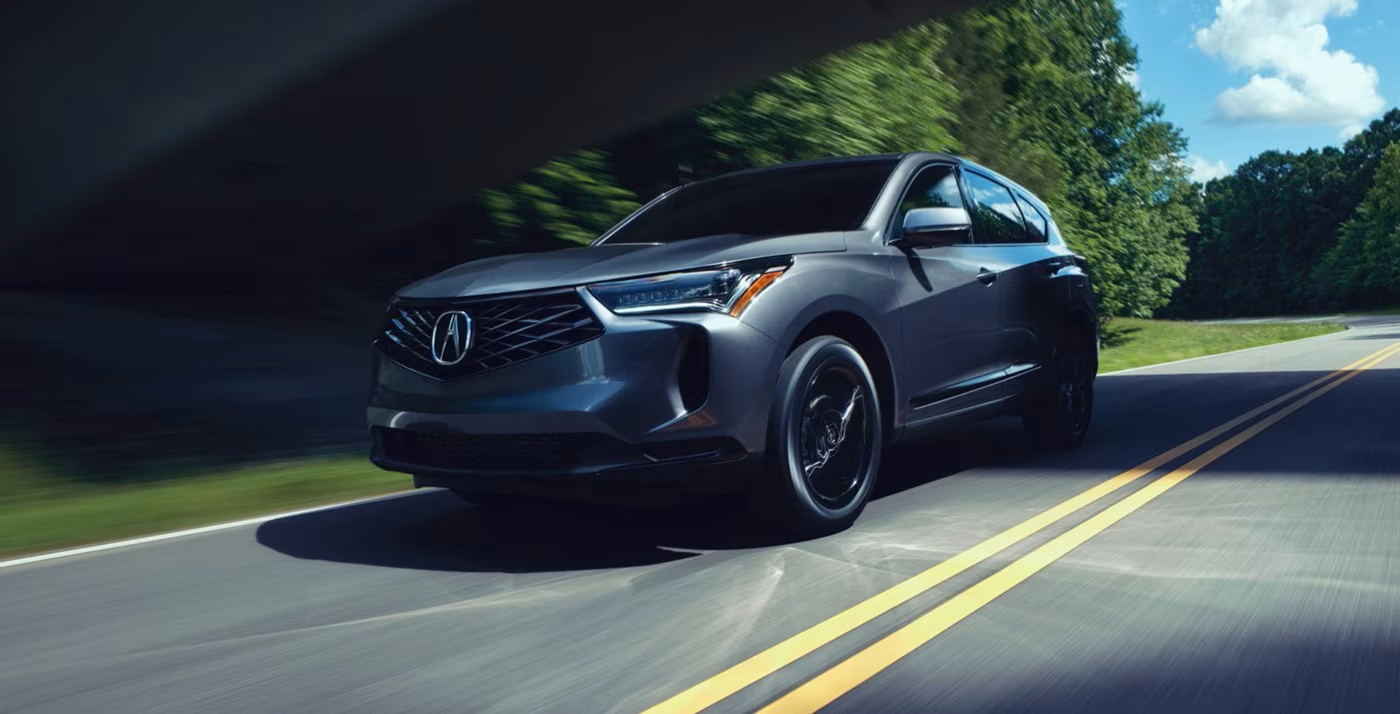
In the Acura RDX, standard AcuraWatch technology includes features such as Collision Mitigation Braking System, Road Departure Mitigation, Adaptive Cruise Control with Low-Speed Follow, Lane Keeping Assist System, pedestrian detection, Traffic Sign Recognition, Blind Spot Information, and Rear Cross Traffic Monitor. Those systems can help provide helpful cues around traffic and lane position, though wet weather can make it especially important to remain focused and avoid overrelying on alerts.
Adaptive Cruise Control with Low-Speed Follow may help maintain a selected following interval in suitable traffic conditions. For commuters traveling between Seattle and Bellevue during a rainy afternoon, it can help support smoother pacing in stop-and-go traffic. Still, rain lengthens stopping distances, so we recommend selecting a comfortable following interval and being ready to take over immediately.
The Acura MDX is another strong option for households seeking a three-row SUV with Acura driver-assistive technology. Its available safety and visibility features can support busy school drop-offs, nighttime errands, and weekend drives beyond the city. For drivers who regularly encounter wet roads or changing elevation, selecting a model with Super Handling All-Wheel Drive can also provide added confidence through enhanced traction management, though it is not a substitute for careful driving.
Which Acura safety features can help with reduced visibility?
Reduced visibility is not limited to darkness. Rain reflected in roadway lighting, mist on the windshield, and glare from oncoming headlights can make it harder to judge lane position, identify vehicles in adjacent lanes, and notice movement around a parked vehicle.
Blind Spot Information can support greater awareness of vehicles in harder-to-see adjacent areas. When a vehicle is detected in the monitored zone, the system can provide a visual alert. If the driver signals toward an occupied lane, it can also provide an additional warning. This is particularly helpful when merging onto busy routes near SeaTac after sunset, where wet side mirrors and traffic spray can complicate a shoulder check. Drivers should always use mirrors, look over their shoulder when appropriate, and confirm it is safe before changing lanes.
Rear Cross Traffic Monitor can also provide extra support when reversing from a parking space or driveway. It is designed to alert the driver to approaching vehicles from either side, helping add awareness when rain, darkness, or nearby vehicles block the view. Available parking sensors, rear camera views, and Surround-View Camera technology on select Acura models can further assist with low-speed maneuvering.
The all-electric Acura ZDX brings advanced technology to drivers considering an EV, while the Acura Integra offers a sport compact option for Seattle commuters who want engaging performance alongside essential driver-assistance systems. For families and shoppers looking at an SUV, the Acura ADX, RDX, and MDX offer different sizes and configurations to fit varied needs. Because features can vary by trim and availability, comparing vehicles in person is the best way to understand what each system does and how it operates.
What should Seattle drivers consider when using safety technology in fall weather?
Safety technology works best when paired with sound driving judgment. During darker fall months, drivers should clear cameras, radar areas, headlights, mirrors, and windows before leaving home. A dirty rear camera or a sensor obscured by leaves, mud, or heavy road spray may limit how effectively a system can operate.
It is equally important to recognize that these are assistance systems, not self-driving systems. They may not detect every vehicle, pedestrian, lane marking, or road edge in every condition. Rainy weather, sharp curves, faded lane lines, dense traffic, and sudden movement can all affect performance. Keep both hands ready, watch the road continuously, and never use driver-assistance features as a reason to drive faster than conditions allow.
Drivers shopping for AWD vehicles in the Pacific Northwest should also consider the full ownership picture. All-wheel drive can be helpful for traction, but safe rain driving still depends on tire condition, speed, braking distance, visibility, and the driver’s attention. Regular inspection and maintenance help ensure your Acura’s tires, wipers, brakes, lighting, and driver-assistance sensors are ready for the season.
If you are comparing cars for sale in Seattle, we invite you to browse our current selection, review available Acura models on our lot, and schedule a test drive to see these systems firsthand. Acura of Seattle, part of the O'Brien Auto Group, is here to help you find an Acura that fits your fall commute, family plans, and everyday confidence on Seattle roads.
*Penned by AI, polished by humans
Categories:
Acura of Seattle
